

There was something wonderfully different about young actresses in the late 1970s.
They did not always arrive on the screen surrounded by publicity campaigns, carefully managed social media pages, or months of manufactured anticipation. Sometimes, audiences simply discovered them in a darkened theater and quietly realized they were watching someone special.
That was how many moviegoers first encountered this striking young performer.
She had an unmistakable presence: thoughtful eyes, a calm expression, and a natural manner that felt far removed from the polished glamour usually associated with Hollywood newcomers.
Before she was old enough to fully understand the machinery of fame, she had already appeared in major films, worked alongside celebrated filmmakers, and earned one of the industry’s most prestigious honors.
Her name was Mariel Hemingway.
A Familiar Name, but a Talent of Her Own
Mariel Hemingway entered Hollywood carrying a surname that was already woven into American cultural history.
She was the granddaughter of legendary author Ernest Hemingway and the younger sister of model and actress Margaux Hemingway. Yet Mariel’s screen presence was never simply an extension of her famous family.
She possessed a quieter kind of charisma.
Rather than commanding attention through theatrical gestures, she seemed to invite viewers to look more closely. Her performances often felt restrained, vulnerable, and unexpectedly mature.
For audiences who remember the cinema of that era, her face may instantly bring back the atmosphere of late-1970s movie houses—the printed programs, the velvet seats, and the sense that films could still introduce an unknown teenager to the entire country almost overnight.
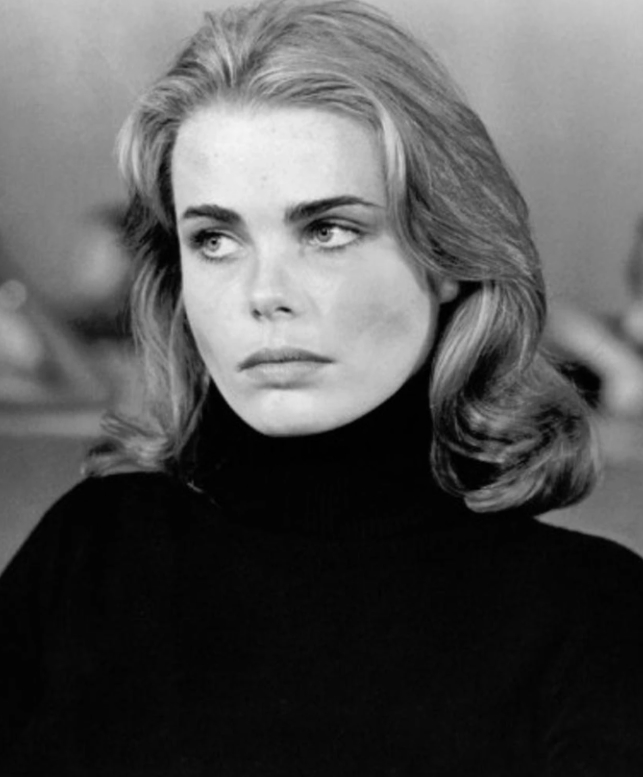
An Unusual Beginning in “Lipstick”
Mariel made her feature-film debut in the 1976 drama Lipstick, appearing alongside her older sister Margaux.
She was only 14 when she took on the role of Kathy McCormick, the younger sister of Margaux’s character. It was an emotionally demanding introduction to acting, especially for someone with so little experience in front of a movie camera.
Even at that early age, however, Mariel displayed an appealing naturalness.
She did not appear to be performing for attention. Instead, she reacted, listened, and allowed quieter emotions to register across her face. That quality would soon become one of her greatest strengths as an actress.
The film also captured a fascinating moment in American popular culture.
Margaux was already one of the most recognizable models of the decade, while Mariel was still a teenager discovering whether acting was something she genuinely wanted to pursue.
Few could have predicted how quickly the younger sister’s career would change.
The Role That Made Hollywood Take Notice
Three years later, Mariel appeared as Tracy in the 1979 film Manhattan.
Her character was young, sincere, and emotionally more perceptive than many of the adults around her. In another actress’s hands, Tracy might have seemed merely innocent. Mariel gave her dignity, intelligence, and an unforgettable sense of quiet disappointment.
The performance resonated with moviegoers because it never felt forced.
Against the film’s sweeping black-and-white images of New York City, she brought a directness that stood apart from the complicated conversations and restless ambitions surrounding her character.
When the Academy Awards honored films released in 1979, Mariel received a nomination for Best Supporting Actress. She was just 18 years old when Hollywood placed her among the year’s most celebrated performers.
Video : PSA: Mariel Hemingway, Los Angeles County Department of Mental Health
For longtime film lovers, it remains one of those remarkable moments when youth and opportunity briefly came together.
She did not win the Oscar that evening—the award went to Meryl Streep for Kramer vs. Kramer—but the nomination permanently changed how the industry viewed her.
Mariel Hemingway was no longer simply a young woman from a famous family. She had become an Academy Award-nominated actress before reaching her twenties.
Refusing to Choose the Easy Path
After receiving such early recognition, Mariel could have pursued safer roles designed around her beauty and growing fame.
Instead, she continued choosing characters that demanded emotional and physical commitment.
In Personal Best, released in 1982, she portrayed Chris Cahill, a competitive track-and-field athlete trying to understand her ambitions, relationships, and identity.
The film entered a world rarely explored so seriously in mainstream American cinema at the time: the intense training, sacrifice, rivalry, and personal uncertainty experienced by female athletes.
Mariel prepared extensively for the physical demands of the role. On screen, she looked less like a movie star pretending to compete and more like a young athlete whose entire future depended upon the next race.
The performance reminded audiences that her delicate appearance could be paired with considerable determination.
Looking back, Personal Best also feels like a time capsule.
The training clothes, stadiums, hairstyles, and understated cinematography carry viewers directly back to the early 1980s. Yet the questions at the heart of the story—about ambition, loyalty, independence, and self-discovery—remain recognizable decades later.
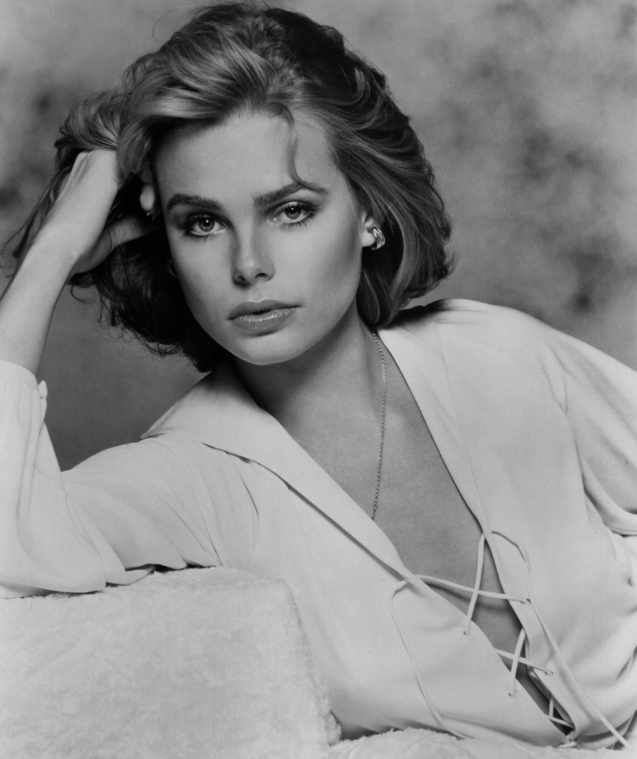
A Haunting Transformation in “Star 80”
Mariel took on an even more challenging assignment in Bob Fosse’s 1983 drama Star 80.
She portrayed Dorothy Stratten, the young Canadian model and actress whose promising career ended in tragedy. The film was somber and deliberately uncomfortable, examining the darker pressures that could exist behind Hollywood glamour.
Mariel approached Dorothy as more than a famous beauty.
She portrayed her as hopeful, trusting, ambitious, and increasingly caught between the life she had known and the future opening before her. The performance required her to suggest vulnerability without turning the character into a symbol or stereotype.
It was a difficult role, and Mariel actively pursued the opportunity, ultimately winning the part after several readings for director Bob Fosse.
For viewers who first saw the film during its original release, her transformation was startling.
The thoughtful teenager from Manhattan had become a poised young woman capable of carrying a demanding biographical drama. Her work revealed how much range she had developed in only a few years.
A Beauty That Never Felt Manufactured
Photographs from Mariel Hemingway’s early career capture a style that feels especially nostalgic today.
She often appeared with minimal ornamentation, strong natural features, and the composed expression associated with classic magazine portraiture. Her beauty was undeniable, but it was not the only reason people remembered her.
There was an intelligence behind her gaze.
Even in glamorous photographs, she rarely seemed distant or artificial. That combination—elegance mixed with approachability—helped make her one of the memorable faces of her generation.
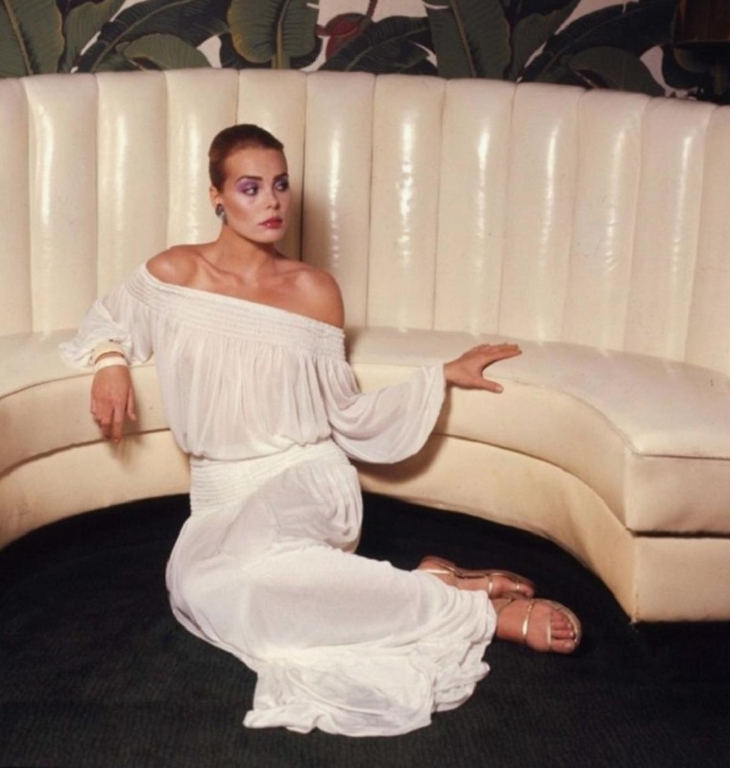
She also represented a period when actresses were allowed to remain somewhat mysterious.
Audiences knew them through films, magazine interviews, television appearances, and perhaps the occasional photograph from a premiere. Their private lives were not documented minute by minute.
That distance gave their screen appearances a special weight. Seeing Mariel Hemingway in a new film felt like an occasion rather than another update in an endless stream of celebrity news.
Why Her Early Performances Still Matter
Mariel’s most memorable films arrived during a fascinating transition in American cinema.
The experimental spirit of the 1970s was giving way to the larger, more commercial productions of the 1980s. Her early career stood between those two eras.
She worked in stories that were intimate, complicated, and sometimes uneasy. Her characters were rarely perfect heroines. They were young women attempting to understand adulthood while confronting expectations imposed by families, relationships, competition, and fame.
That may be why older audiences continue to remember her so clearly.
Her performances did not depend on spectacle. They depended on observation—the hesitation before an answer, the sadness behind a smile, or the realization that a character understood more than she was willing to say aloud.
More Than an Oscar Nomination
An Academy Award nomination at 18 would have been enough to secure Mariel Hemingway a place in Hollywood history.
Yet the lasting appeal of her early career comes from more than a single honor.
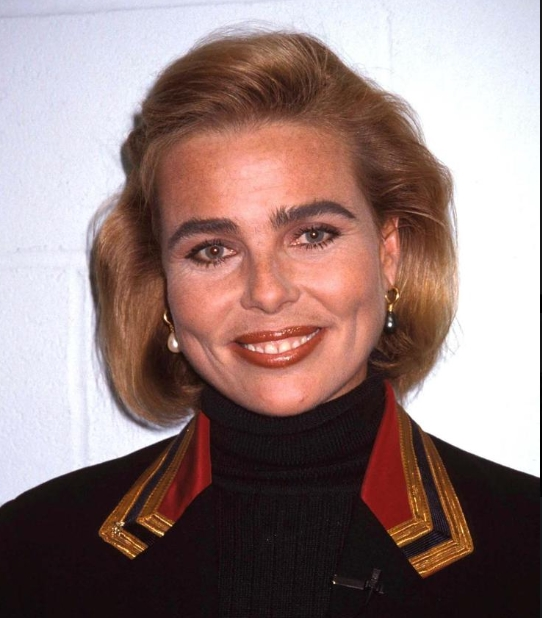
Within only a few years, she moved from the youthful vulnerability of Lipstick to the emotional clarity of Manhattan, the athletic determination of Personal Best, and the tragic glamour of Star 80. The American Film Institute records all four among the defining early credits of her film career.
Each role revealed a different side of her talent.
Together, they preserve the image of a young actress who was willing to enter difficult stories before she had even reached full adulthood.
Today, seeing those early photographs can feel like opening an old family album from Hollywood’s past. The clothes, lighting, and hairstyles belong to another time, but the face remains familiar.
For those who watched her career unfold, Mariel Hemingway is more than a name from the credits.
She is a reminder of an era when a quiet performance could capture the attention of an entire generation—and when an 18-year-old actress could walk into Oscar night having already created a piece of movie history.
Leave a Reply