
There are certain voices that seem capable of stopping time.
You hear only a few notes, and suddenly you’re somewhere else entirely—a family kitchen with an AM radio playing in the background, the front seat of an old car, a high-school dance, or a quiet evening when music seemed to say exactly what you could not put into words.
For millions of listeners, Karen Carpenter had that kind of voice.
Today, she is remembered primarily as the extraordinary vocalist at the heart of The Carpenters, the brother-and-sister duo whose beautifully arranged recordings became part of the soundtrack of the 1970s. But there was another side to Karen’s musicianship that casual listeners sometimes overlook.
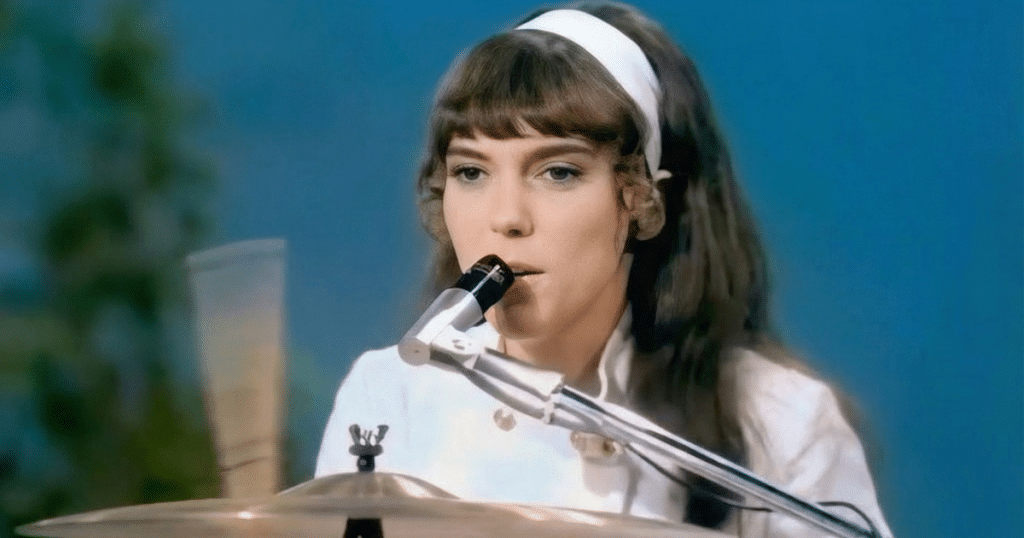
Before she became famous standing behind a microphone, she wanted to sit behind the drums.
And she was remarkably good at it.
Karen’s life ended in 1983 when she was only 32, but the music she created with her brother Richard Carpenter has continued to find new listeners more than four decades later. Modern reassessments of the duo have also brought renewed attention to something musicians have long understood: Karen was not simply a beautiful singer who happened to play drums. She was a serious drummer with an instinctive understanding of rhythm.
Before the Famous Voice, There Was a Drummer
Karen Anne Carpenter was born in New Haven, Connecticut, in 1950. Her family later moved to California, where the musical partnership between Karen and her older brother Richard began taking shape.
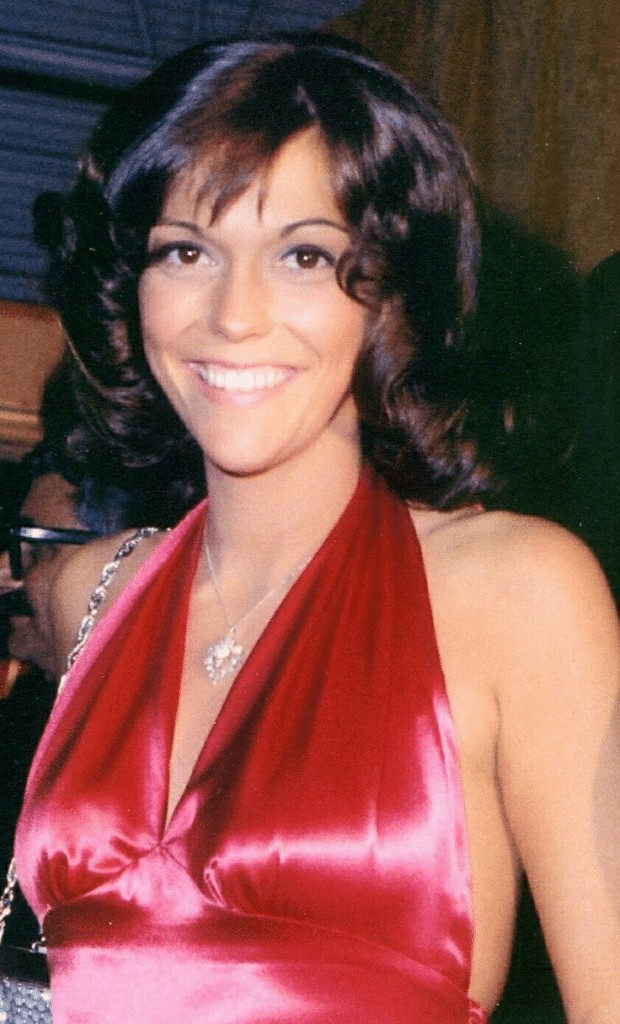
Richard gravitated naturally toward keyboards, composition, and arranging.
Karen discovered the drums.
It became much more than a hobby.
She developed a genuine feel for percussion and initially thought of herself primarily as a drummer rather than a lead vocalist. Richard later recalled that playing drums came first for his sister and singled out her skill with brushes in particular.
That history makes old footage of Karen behind a drum kit especially fascinating.
There is confidence in the way she plays.
She isn’t merely keeping time while waiting for an opportunity to sing.
She is listening to the architecture of the song—the spaces between notes, the dynamics, the subtle shifts that give a performance its pulse.
Long before audiences knew her voice, rhythm was already teaching Karen how music worked.
Then Richard Heard Something Extraordinary
The remarkable irony of Karen Carpenter’s story is that the instrument that ultimately made her famous was one she carried within herself.
Her voice.
Richard recognized its potential while they were still young. Karen had no formal vocal training, yet she possessed unusual control, phrasing, and a naturally rich lower register.

Richard later remembered encouraging her to sing his early material and being struck by what she could do instinctively. He has also spoken admiringly of her extraordinary breath control.
It wasn’t the kind of voice that needed to fight for attention.
Karen could sing quietly and somehow make listeners lean closer.
That became her great strength.
When “Close to You” Changed Everything
In 1970, The Carpenters recorded “(They Long to Be) Close to You.”
The song transformed their career.
Richard Carpenter has recalled receiving the Bacharach-David composition through Herb Alpert and developing the distinctive arrangement that ultimately helped turn it into the duo’s first No. 1 single. Suddenly, Karen and Richard went from relative newcomers to major recording stars.
For listeners who remember hearing the record when it was new, the opening moments remain instantly recognizable.
There was none of the aggression associated with much of the rock music surrounding it.
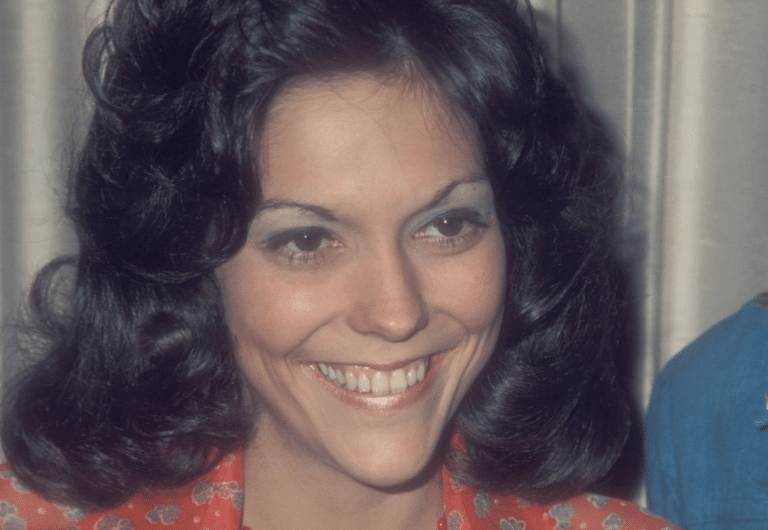
Instead, there was space.
Warmth.
Precision.
And then Karen’s voice.
The Carpenters went on to win three GRAMMY Awards, including Best New Artist, while receiving seven nominations.
Remember When Songs Arrived Through the Radio?
Part of Karen Carpenter’s enduring appeal is inseparable from the era in which her music first became famous.
Listening was different then.
A favorite song might unexpectedly arrive through the dashboard radio while you were driving.
Albums were physical objects.
People studied the photographs and liner notes while the record played.
There were no playlists containing millions of songs waiting for an instant tap.
Sometimes you simply listened to whatever the radio station chose next.
That gave certain voices enormous cultural reach.
The Carpenters became part of that shared soundtrack.
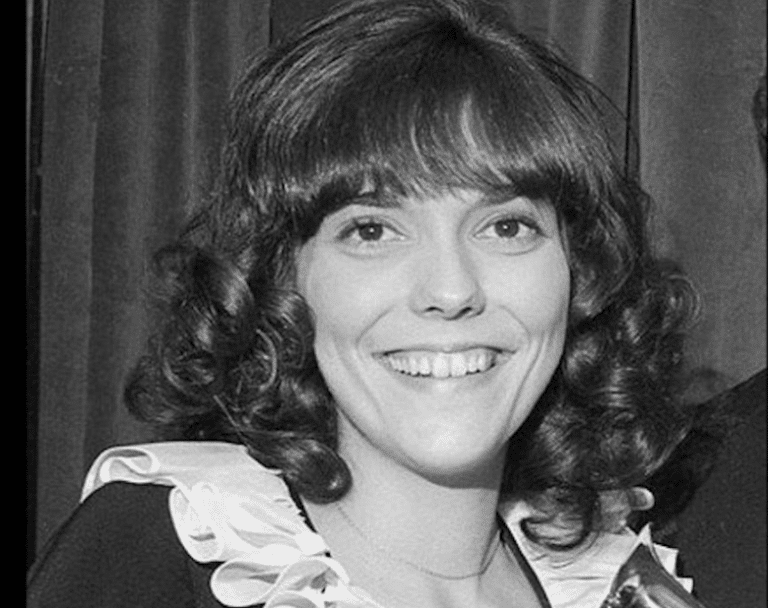
For many Americans, their records weren’t associated with celebrity gossip or headlines.
They were associated with life.
A wedding.
A first apartment.
A long drive.
A difficult breakup.
Sunday mornings.
Parents who are no longer here.
That is why hearing Karen today can produce such an unexpectedly emotional reaction.
She Never Stopped Being a Drummer
As Karen’s voice became increasingly central to The Carpenters’ success, television and concert presentation often placed her at the front of the stage.
Yet her identity as a drummer never disappeared.
Richard Carpenter has emphasized that she genuinely loved the instrument and possessed natural ability. Contemporary reassessments of the duo likewise frequently highlight the fluidity and complexity of her drumming alongside her singing.
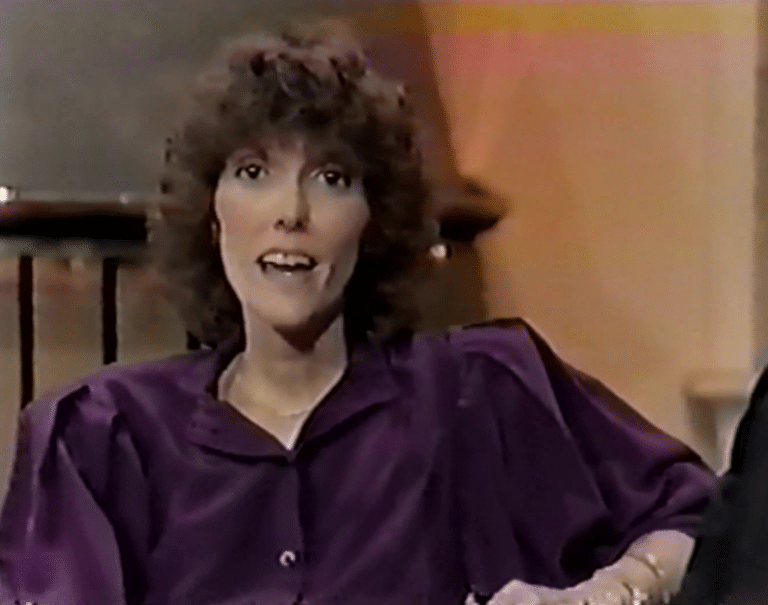
That matters because women behind drum kits were far less visible in mainstream popular music during Karen’s era.
She did not need novelty to make the instrument interesting.
She could simply play.
Watching her perform today can therefore change the way people understand her career.
The famous contralto was only half the story.
Fame Came With Pressures the Audience Could Not Fully See
The Carpenters’ enormous success also brought relentless professional demands.
Recording.
Touring.
Television appearances.
Publicity.
Expectations to produce another hit.
Then another.
And another.

Behind the polished arrangements and carefully presented television appearances, Karen was facing serious personal and health struggles.
Karen suffered from anorexia nervosa, an eating disorder that was poorly understood by the general public at the time.
It is important to discuss that part of her life carefully.
Her illness should not become a sensational detail attached to photographs of her body, nor should it overshadow her musicianship. Modern understanding of eating disorders recognizes them as serious health conditions rather than questions of appearance or willpower.
Karen’s experience helped bring much greater public attention to an illness that many families previously knew little about.
But she deserves to be remembered as much more than the illness she endured.
February 1983: A Voice Silenced Far Too Soon
Karen Carpenter died on February 4, 1983.
She was just 32.
Her death was associated with complications of anorexia nervosa, and the loss abruptly ended one of popular music’s most distinctive sibling partnerships. The Recording Academy’s retrospective on The Carpenters notes that their career had remained active through records, television specials, and radio success until Karen’s death.
For listeners who had spent the previous decade hearing her voice regularly, the news was difficult to absorb.
Thirty-two was impossibly young.
There should have been more albums.
More concerts.
More years.
Richard Carpenter later reflected on that unfinished future with understandable sadness, saying that he still thinks about all the music they might have continued making together.
A Legacy Bigger Than Tragedy
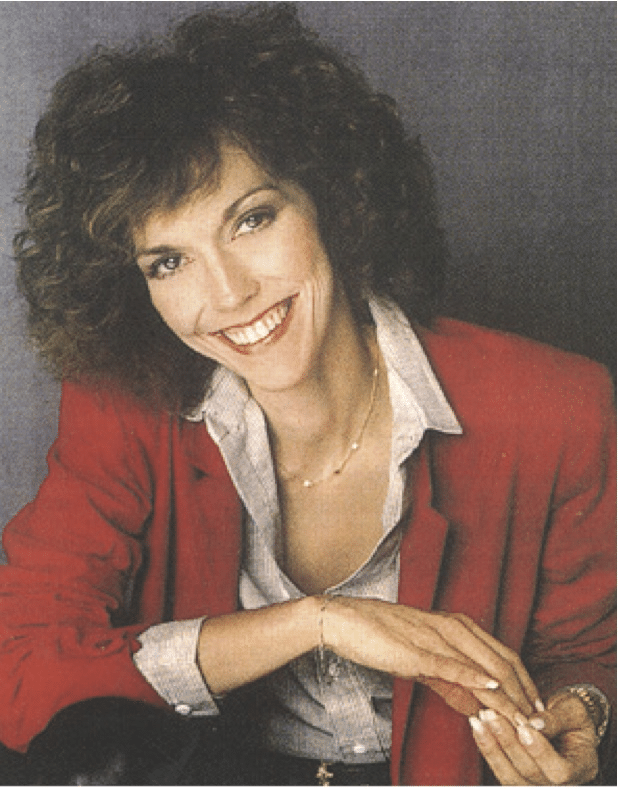
It is tempting to frame Karen Carpenter’s life around its heartbreaking ending.
But doing so makes the story smaller than it deserves to be.
Karen was a drummer.
A singer.
A recording artist.
A GRAMMY winner.
A musician with an unusually intuitive sense of rhythm and melody.
And one half of a duo whose records continue to influence artists who weren’t even alive when those songs first appeared.
Richard Carpenter has described Karen’s abilities as profoundly natural, emphasizing that she could often deliver remarkable vocal performances with very few takes.
That is the Karen worth remembering.
Not simply the young woman America lost in 1983.
But the musician audiences were fortunate enough to hear in the first place.
Yesterday Once More, Indeed
Perhaps no title in The Carpenters’ catalog captures nostalgia quite as perfectly as “Yesterday Once More.”
For older listeners, putting on a Carpenters recording today can make those words feel almost literal.
Suddenly the old radio is playing again.
The family car is back in the driveway.
The people we loved are younger.
And for three or four minutes, so are we.
Karen Carpenter never had the opportunity to grow old alongside the listeners who loved her music.
Her recordings did.
And more than four decades after her passing, that warm, unmistakable voice still reaches across the years with astonishing ease.
Leave a Reply