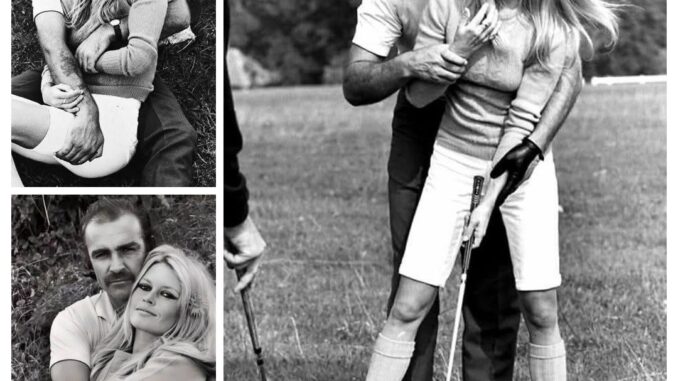
Can You Recognize the Two Screen Legends Behind This Remarkable 1968 Hollywood Photograph?
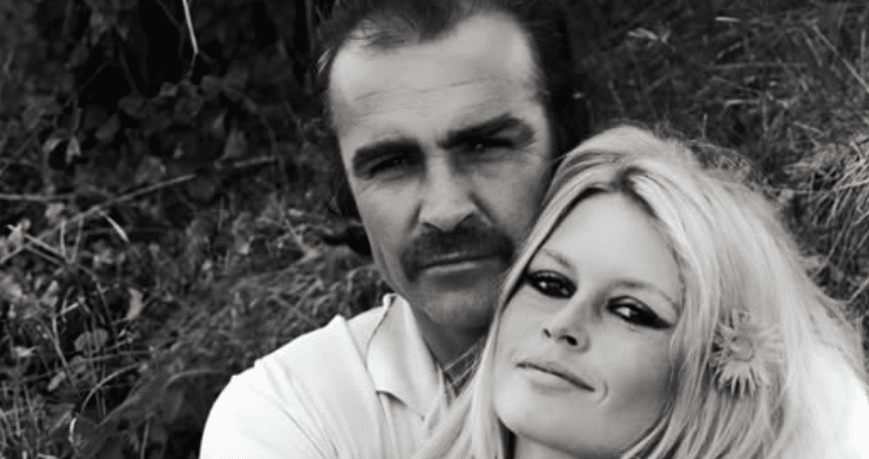
Some photographs preserve more than two famous faces.
They preserve an entire era.
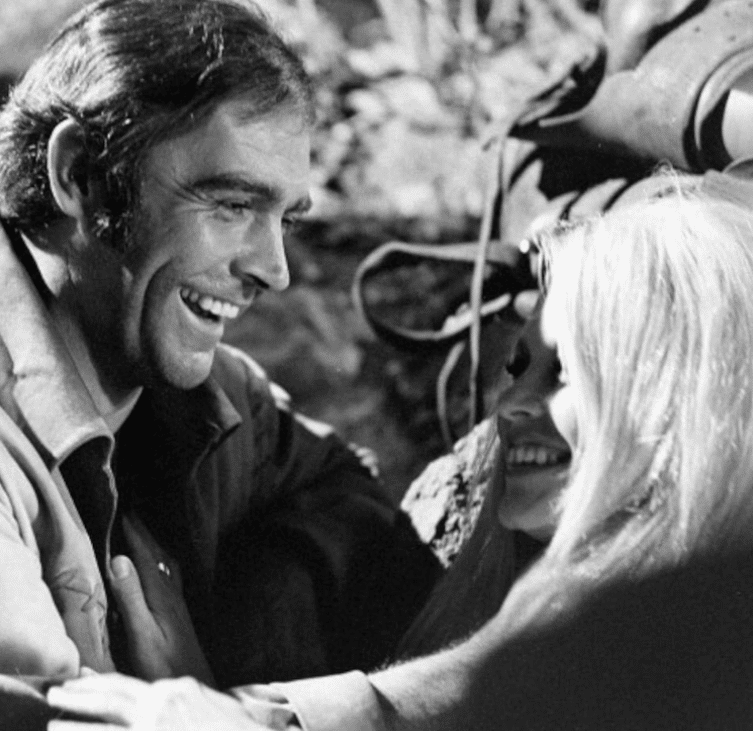
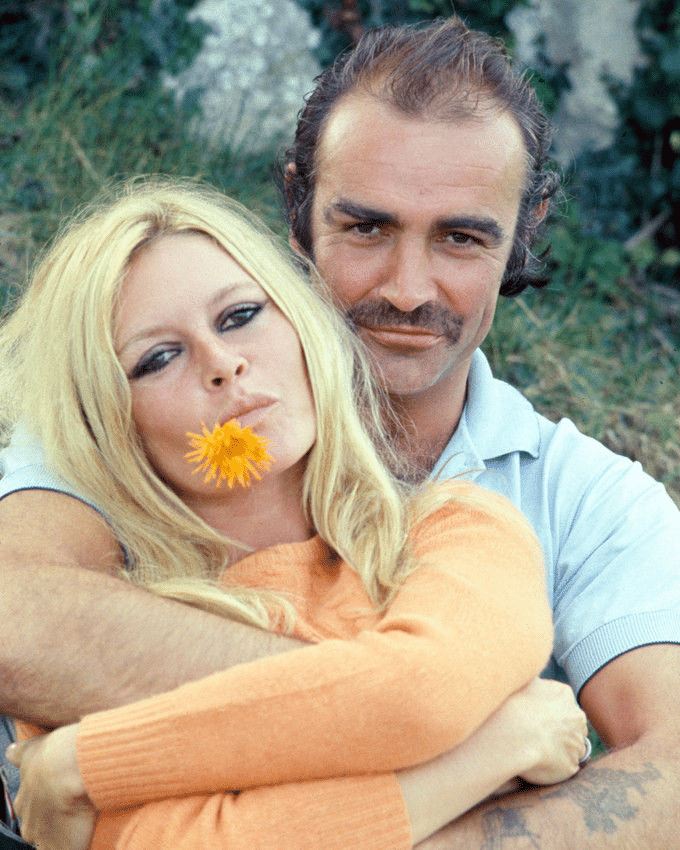
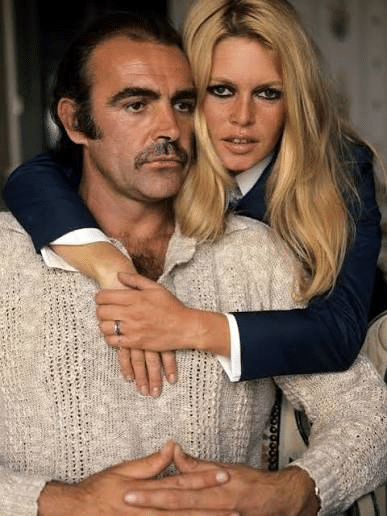
One remarkable image from 1968 captures Sean Connery and Brigitte Bardot together during the making of Shalako, a Western adventure that brought two of the world’s most recognizable stars into the same frame at a fascinating moment in their careers.
Connery was already internationally associated with James Bond. Bardot had become one of the defining faces of French and European cinema.
Yet away from their glamorous public images, these old photographs reveal something simpler: two working actors laughing, talking, and spending time together between scenes.
For longtime movie lovers, the pictures offer an irresistible journey back to the late 1960s — when international stars, location filmmaking, Westerns, and European cinema were colliding in unexpected ways.
Two Stars From Completely Different Cinematic Worlds
By 1968, Sean Connery and Brigitte Bardot represented two very different kinds of international stardom.
Connery had become inseparable from the sophistication and danger of James Bond.
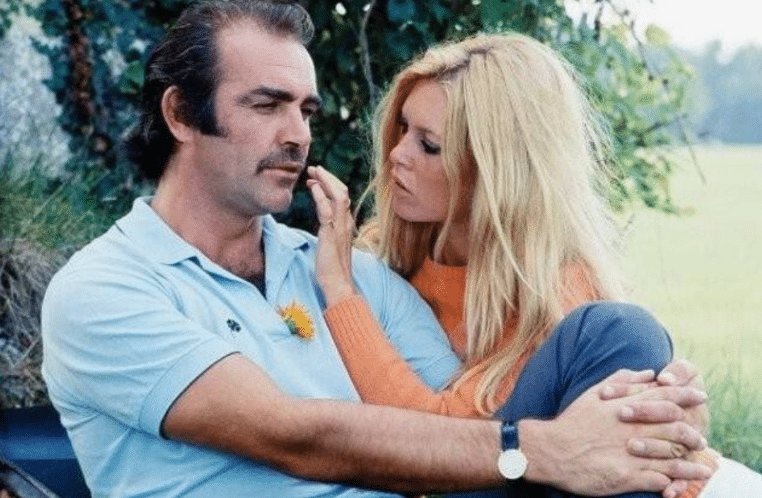
Bardot represented another cinematic tradition altogether — French films, European glamour, striking individuality, and a public image that had already traveled around the world.
Putting them together in a Western was therefore an intriguing idea.
Shalako, adapted from a Louis L’Amour novel, cast Connery as an experienced former cavalryman and Bardot as a European aristocrat caught in danger on the American frontier.
The pairing alone was enough to attract attention.
Sean Connery Was Already Much More Than a Promising Actor
By the time Shalako was made, Connery no longer needed an introduction.
His portrayal of James Bond had transformed him into one of the most recognizable male stars of the 1960s.
The tailored suits.
The dry humor.
The controlled physical presence.
The confidence.
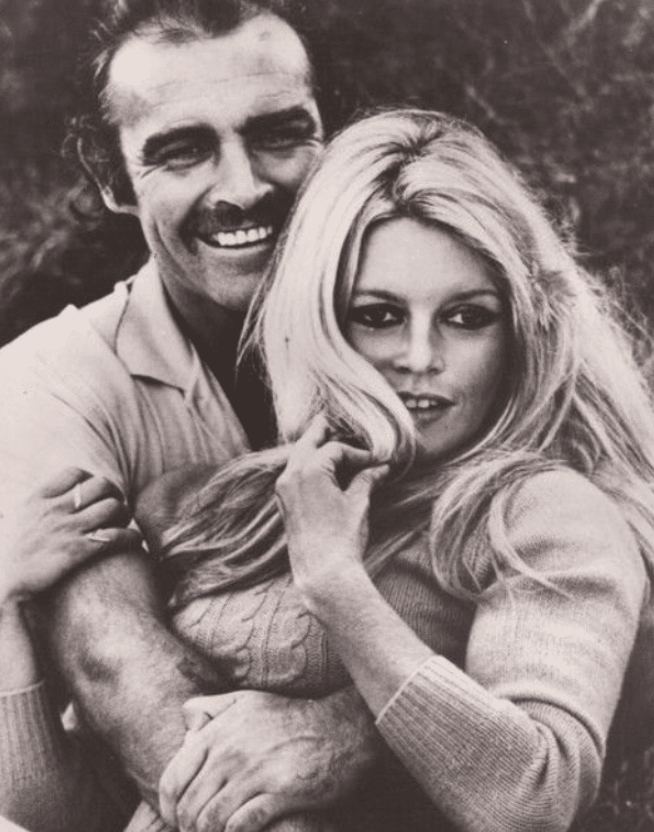
Those qualities became deeply associated with his screen image.
But an actor who becomes famous through one enormous franchise eventually faces a difficult challenge:
How do you convince audiences to see someone else?
Shalako arrived during a period when Connery was increasingly looking beyond Bond and toward roles that could broaden his career. The source describes the Western as part of that transitional phase.
A Western Gave Him a Very Different Kind of Hero
Connery’s character in Shalako was far removed from the polished world of international espionage.
The Western landscape demanded something rougher.
Instead of casinos and luxury hotels, there were horses, wilderness, dust, danger, and the harsh visual language associated with frontier stories.
Yet some familiar Connery qualities remained.
His character was controlled.
Observant.
Capable.
Not especially interested in unnecessary conversation.
That restraint translated surprisingly well from the spy thriller to the Western.
Brigitte Bardot Brought an Entirely Different Kind of Star Power
Bardot’s presence changed the atmosphere immediately.
She was already an international celebrity whose fame extended far beyond individual films.
Her screen image combined glamour with spontaneity.
Unlike stars whose elegance seemed carefully controlled, Bardot often projected something more unpredictable.
That made her an intriguing contrast with Connery’s disciplined screen persona.
In Shalako, she played a German countess whose circumstances place her in danger on the frontier. The contrast between the European aristocratic character and the rugged surroundings gave the film much of its visual appeal.
Their Differences Made the Pairing Interesting
Great screen pairings do not always depend on similarity.
Sometimes the tension comes from contrast.
Connery seemed grounded and controlled.
Bardot appeared lighter, more spontaneous, and visually connected with a completely different filmmaking tradition.
That difference created an unusual chemistry.
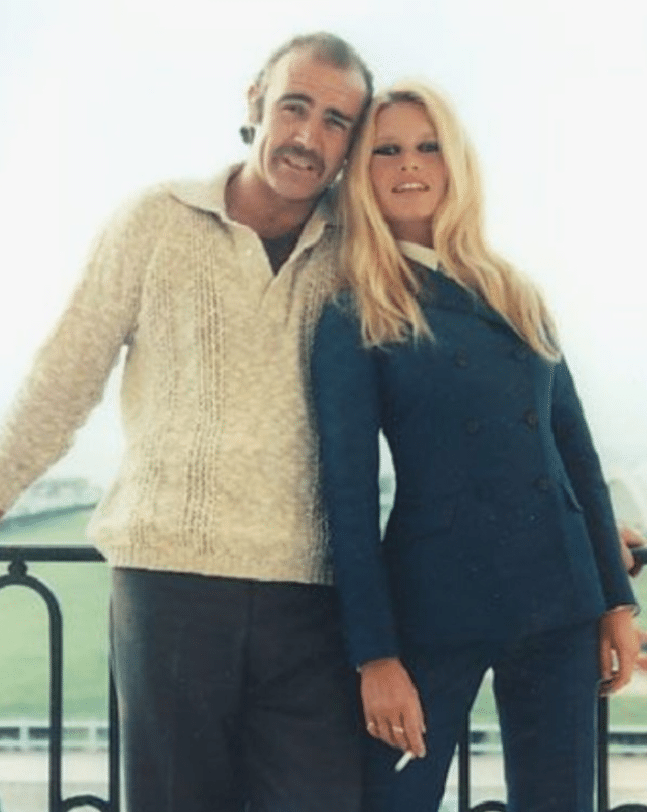
The source article describes their contrasting energies as one of the elements that made the collaboration so memorable.
Even still photographs convey that difference.
He often appears composed.
She seems ready to break into laughter.
Together, they create the kind of image that immediately belongs to the 1960s.
1968 Was a Fascinating Moment in Hollywood History
The year itself matters.
Cinema was changing rapidly.
The traditional studio system no longer controlled filmmaking in quite the same way it once had.
European directors and stars had increasing influence.
Audiences were becoming more adventurous.
Genres that had seemed stable for decades were being reinvented.
Western films were especially interesting during this period.
The old clear division between heroes and villains was becoming less certain.
Characters became rougher.
Locations felt harsher.
Stories became more morally complicated.
And international filmmakers increasingly approached the American West from outside the United States.
Shalako emerged directly from that climate.
When International Productions Felt Truly International
Modern productions routinely combine actors and crews from around the world.
In the 1960s, such combinations could feel more exotic to audiences.
A Scottish actor known internationally as James Bond.
A French screen sensation.
An American Western story.
European production influences.
Location photography far removed from the classic studio Western.
All of those elements converged in one film.
That mixture gives Shalako a distinctive place in the careers of both stars.
Bardot Was Approaching a Very Different Turning Point
For Brigitte Bardot, the late 1960s represented another kind of transition.
Her major film career was moving toward its final years.
She would eventually leave acting behind and devote much more of her public life to animal-related activism.
The source notes that Shalako came relatively late in her movie career and captures her during the period shortly before she withdrew from acting.
That knowledge changes how the photographs feel today.
At the time, they were publicity or behind-the-scenes images from another production.
Decades later, they became photographs of a chapter nearing its conclusion.
Neither Star Needed to Be Introduced in 1968
Imagine a publicity department today announcing a movie starring two globally famous personalities from different entertainment worlds.
That helps approximate the attention a Connery-Bardot pairing could create.
Each brought an established image.
Each had an enormous international following.
Their names alone created curiosity.
The source describes the collaboration as immediately fascinating to movie audiences precisely because both performers were already major stars.
The Western did not create their celebrity.
It brought two existing forms of celebrity together.
Shalako Became a Snapshot of Two Careers in Motion
The film itself ultimately occupies only a small portion of either star’s enormous cultural legacy.
Connery remains much more widely remembered for Bond and many later performances.
Bardot remains associated with an entire era of French cinema and celebrity.
Yet Shalako matters because their career paths intersected there.
For one production, two enormous screen personalities shared the same landscape, the same crew, and the same frame.
That intersection is what history remembers.
The Old Hollywood Magic Was Often Between the Scenes
We tend to think movie history exists only in finished films.
It also exists outside them.
A makeup chair.
A costume fitting.
An actor waiting for the camera.
Two stars laughing before someone calls for quiet.
Those moments disappear unless a photographer happens to preserve them.
The Shalako photographs survived.
More than half a century later, they show us something a polished film scene cannot.
They show the atmosphere surrounding the work.
Two Legends, One Brief Hollywood Intersection
Sean Connery and Brigitte Bardot did not need decades of films together to create a memorable cinematic pairing.
One Western was enough.
One production brought together the cool authority of the world’s most famous secret agent and the unmistakable screen presence of one of France’s biggest stars.
And one collection of photographs preserved the unexpected ease between them.
For audiences who remember the movies of the late 1960s, the pictures are more than celebrity nostalgia.
They are a doorway.
Back to the age of Westerns.
Back to international movie stars who still carried a little mystery.
Back to film magazines, crowded theaters, and an era when seeing two famous faces together could feel like a genuine event.
Leave a Reply