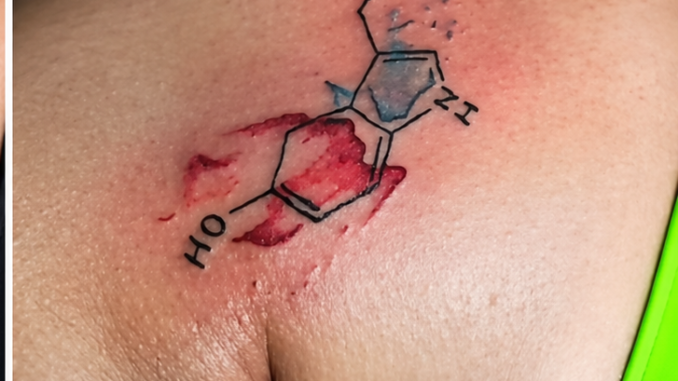
Tattoos and Your Health: Hidden Risks You Should Know Before Getting Inked
Tattoos have become increasingly popular, with people choosing designs that reflect their personalities, memories, and individual style. From small symbols on the wrist to large designs on the back, chest, thighs, and other sensitive areas, tattoos are now a common form of self-expression.
However, before getting inked, it is important to understand the potential health risks, how tattoo placement can affect healing, and what having a recent tattoo means for blood donation.
1. Can Tattoos Be Harmful to Your Health?
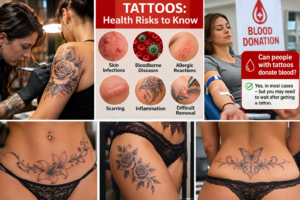
Tattoos are not automatically dangerous, but the procedure carries risks because needles repeatedly penetrate the skin and deposit ink beneath its surface.
According to the U.S. Food and Drug Administration (FDA), potential complications include:
- Skin infections: Contaminated ink, unsterile needles, or poor hygiene can cause bacterial infections.
- Bloodborne diseases: Reused or contaminated equipment can transmit infections such as hepatitis B and hepatitis C, and potentially HIV.
- Allergic reactions: Some people develop itching, swelling, or rashes because of tattoo pigments. Reactions may appear months or even years later.
- Scarring and inflammation: Some tattoos can cause raised scars, persistent bumps, or other skin reactions.
- Difficult removal: Removing an unwanted tattoo can require several laser treatments and may leave scars or changes in skin color.
These risks can be reduced by choosing a reputable professional studio, ensuring that needles are sterile and single-use, and following proper aftercare instructions.
2. Tattoos and Blood Donation: What Is the Truth?

One common misconception is that people with tattoos can never donate blood to help someone in need. That is not generally true.
People with tattoos can often donate blood if they meet the applicable health requirements. However, a recent tattoo may mean that a person must wait before donating, depending on the rules of the country and the circumstances in which the tattoo was performed.
The World Health Organization advises people who have recently received tattoos or body piercings to check with their local blood donation service about the required waiting period.
The concern is the possibility of an infection that could be transmitted through donated blood, particularly when safe tattooing procedures cannot be confirmed.
If you have recently received a tattoo and want to donate blood, contact your local blood transfusion service before making an appointment.
Remember: having a tattoo does not automatically make someone unsuitable to help patients through blood donation.
3. Tattoos in Sensitive Areas: What Should You Consider?
Some people choose tattoos in areas close to intimate body parts. These designs can be a form of personal expression, but sensitive skin and friction from clothing may make healing uncomfortable.
Here are three examples of tattoo placements that people sometimes choose:
A. Lower Abdomen and Hip Tattoos
<em>Design idea: A small floral pattern, butterfly, or fine-line symbol along the hip or lower abdomen.</em>
These tattoos can be affected by friction from waistbands and tight clothing. Keeping the area clean and following the artist’s aftercare instructions can help support healing.
B. Upper Thigh Tattoos
<em>Design idea: A rose, ornamental pattern, or small decorative design on the upper thigh.</em>
Because the thighs can rub against each other or clothing, irritation may occur while the tattoo heals. Loose, clean clothing can help reduce friction.
C. Lower Back and Pelvic-Area Tattoos
<em>Design idea: A delicate ornamental pattern, a small butterfly, or a symmetrical floral design near the lower back or hip line.</em>
The placement should be chosen carefully, particularly if clothing, waistbands, or everyday activities put pressure on the area.
These locations are not inherently more dangerous simply because they are near intimate areas. The main concerns are hygiene, irritation, the artist’s technique, and proper healing.
4. How to Reduce the Risks of Getting a Tattoo
If you decide to get a tattoo, a few precautions can make a meaningful difference:
- Choose a professional studio with strong hygiene practices.
- Confirm that needles are sterile and used only once.
- Make sure the artist uses ink handled according to appropriate safety standards.
- Follow the recommended cleaning and aftercare routine.
- Avoid picking at scabs or scratching the healing skin.
- Seek medical advice if you develop worsening redness, significant swelling, pus, fever, or increasing pain.
People with known allergies or certain medical conditions should consider speaking with a healthcare professional before getting tattooed.
5. Think Carefully Before Making a Permanent Decision
A tattoo may have deep personal meaning, but it is still a long-term decision. Styles and personal preferences can change, and removing a tattoo may be expensive, uncomfortable, and incomplete.
Understanding the risks does not mean everyone should avoid tattoos. It means making an informed decision, choosing a safe professional, and knowing how to protect your health afterward.
The bottom line: Tattoos can carry risks, particularly when hygiene standards are poor. They can also affect blood donation eligibility temporarily, but people with tattoos are not automatically prohibited from donating blood. Always follow the guidance of your local blood transfusion service.
: FDA – Tattoo safety and risks, WHO – Who can give blood, Mayo Clinic – Tattoos and health precautions
Leave a Reply