
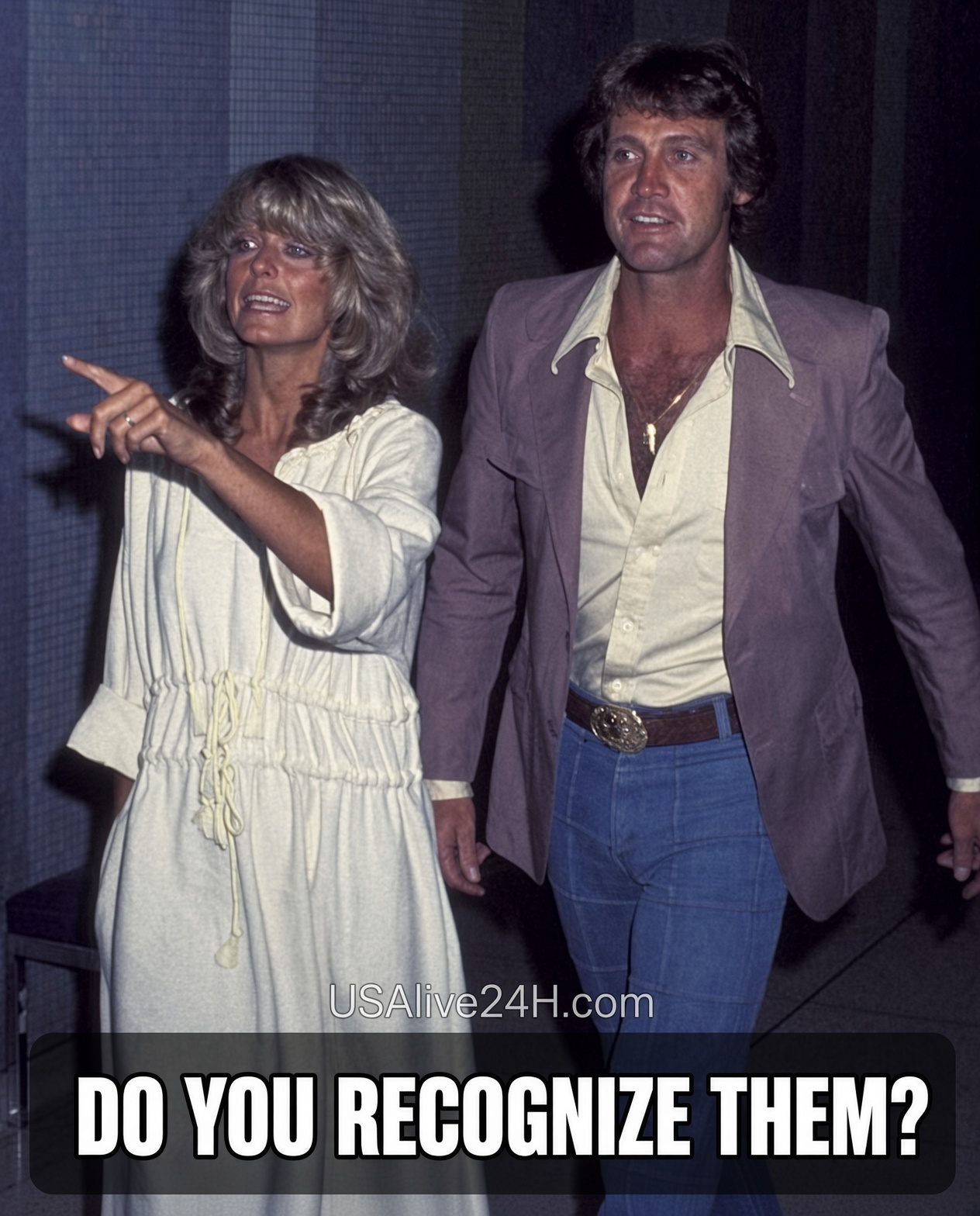
In the mythic haze of the 1970s, Hollywood found its ultimate atmospheric blueprint in the harmonious union of the Bionic Man and his Angel. Long before she became a global powerhouse, Farrah Fawcett and Lee Majors navigated the industry with a quiet weight rooted in their shared Southern heritage. They weren’t just a golden couple; they were a definitive study in longevity of talent whose partnership blended glossy television with a genuine, grounded reality. Lee, already an established premier leading man, used his professional integrity to anchor their early years, creating a storied foundation that allowed them to rule the airwaves as the era’s most inviting icons.
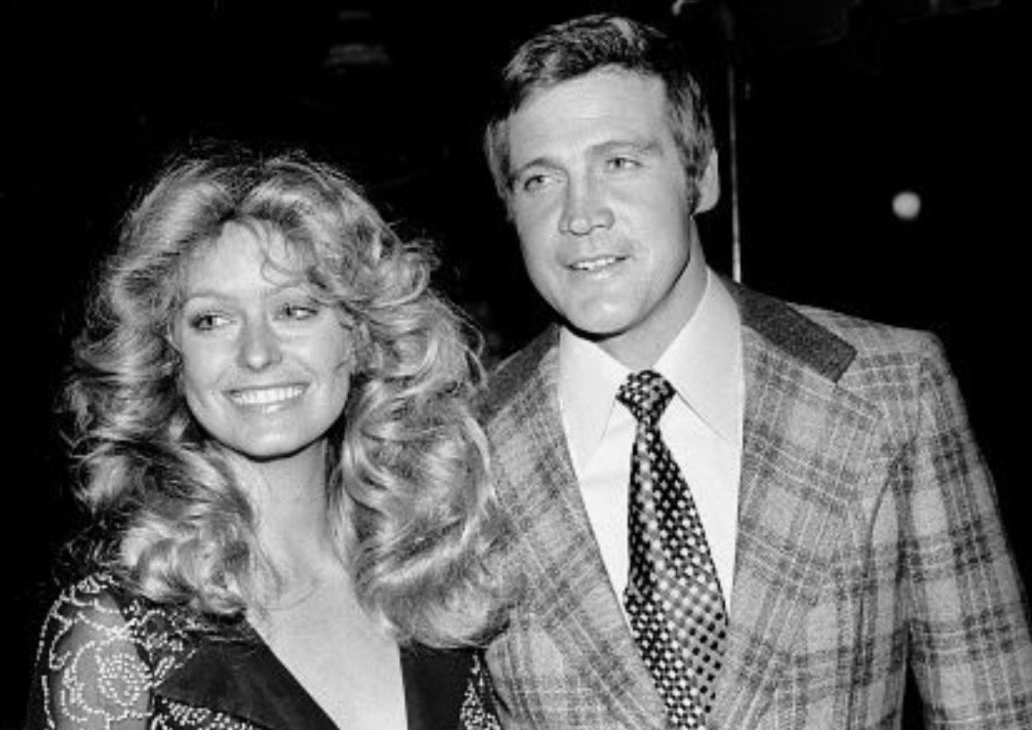
The year 1976 sent their trajectory into a fast-paced, stratospheric orbit that remains a miraculous intersection of pop culture history. While Lee continued his theatrical excellence as the sci-fi archetype Steve Austin, Farrah’s career exploded through the debut of Charlie’s Angels and that iconic red swimsuit poster. They became a powerhouse pair whose every move was followed by a public eternally curious about their life behind the gates. It was a chapter of camera-ready glamour, yet beneath the surface, they remained a soulful team, navigating the staggering pressures of being the most photographed duo in the world with a refined sense of poise.
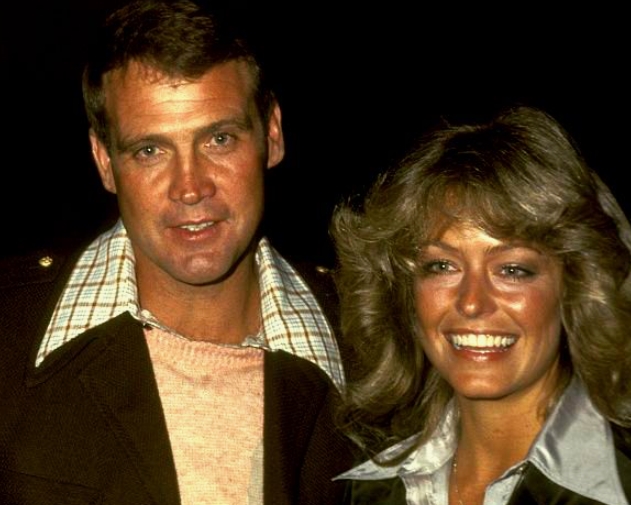
However, the structural mechanics of two concurrent, massive careers eventually introduced unexpected challenges and a complex texture to their marriage. As Farrah sought to move beyond her pin-up fame into refined dramatic roles, the relentless demands of their separate filming schedules created a quiet weight of distance. Their 1979 separation was a quietly rewritten dynamic, reflecting a shifting era of personal independence where even a mythic bond could be reshaped by the pursuit of individual theatrical excellence. It was a transition handled with a level of grace that avoided the tabloid clichés of the time, prioritizing their mutual professional integrity over public spectacle.
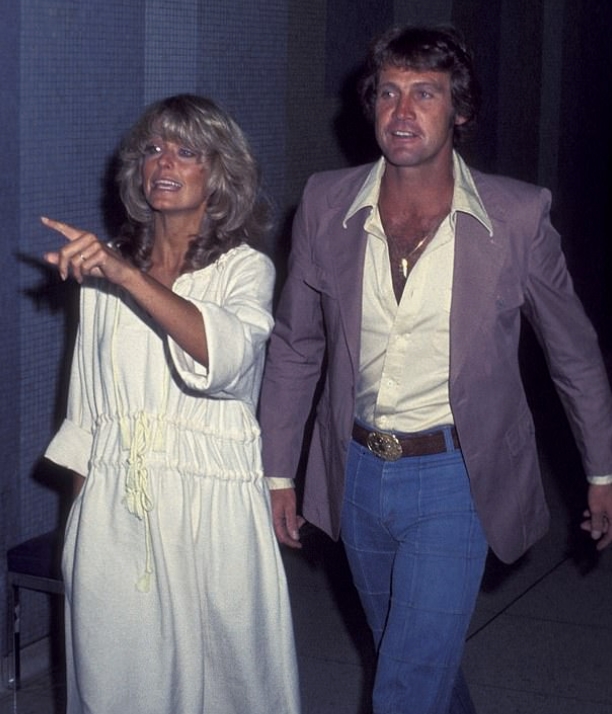
Their living legacy is perhaps best defined by the refined second act of respect they found in later years. Lee would eventually reflect on their bond with a warm, observant heart, famously describing them as the “Brad and Angelina of their time.” Before Farrah’s passing in 2009, they found the grit and courage to reconnect, sharing a harmonious forty-minute conversation that closed their storied chapter with a miraculous sense of peace. This rekindled friendship proved that their history was built on something far deeper than fame, revealing a second act of mutual admiration that remains impossible to ignore for anyone who values substance over celebrity.
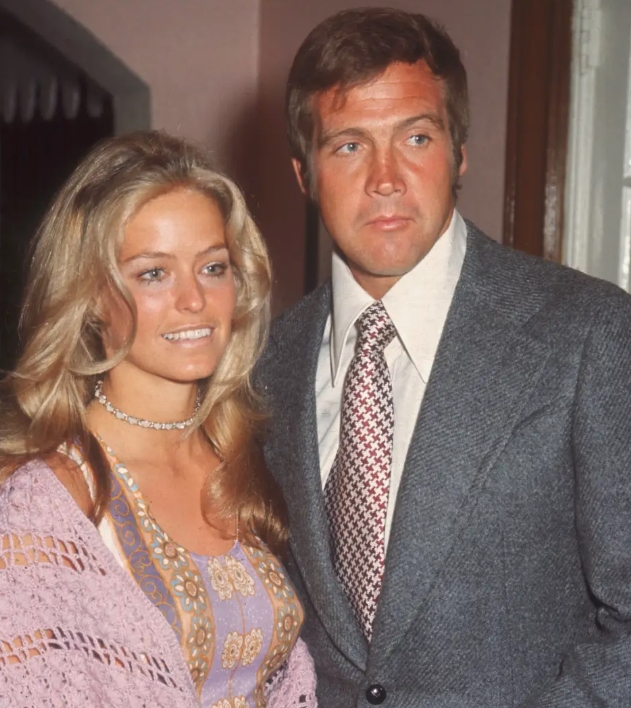
As we look back from the vantage of 2026, Farrah and Lee stand as a beacon of television history, a poetic reminder of an era when superstars carried themselves with a particular kind of heart. They are honored today for their individual theatrical excellence and for a shared journey that defined the aesthetic of a decade. Their story is a testament to the idea that the most enduring stars are those who can navigate both the heights of success and the complexities of closure with their poise intact. Their legacy remains as miraculous and unshakeable as the bionic sound itself, a quintessential Hollywood symphony of style and soul.
Leave a Reply