

A familiar face can bring back memories of another era. We remember the magazines at the grocery checkout, television interviews playing in the background, and personalities who seemed to appear everywhere for a time.
But recognition offers only a small part of someone’s story. When serious allegations enter the public record, familiarity must give way to careful attention to facts.
Ron Jeremy, a former adult entertainment performer who also became recognizable through broader media appearances, faced criminal charges in Los Angeles. His case later encountered a significant procedural development when a judge found him unable to stand trial in January 2023.
Understanding that history requires more than an attention-grabbing headline. It requires clear dates, respectful language, and a distinction between allegations and court findings.
When Recognition Meets a More Complicated Story
For longtime readers of entertainment news, encountering a name from decades ago can feel like opening an old magazine. A photograph may recall a particular period before we have read a word of the accompanying article.
That response is understandable. Public personalities become associated with the years when we first encountered them, even if we knew little about their lives.

However, those associations cannot establish someone’s character or determine the truth of a legal allegation. A recognizable image remains an image, rather than evidence about events outside its frame.
In a serious news story, the reader deserves information that reaches beyond the initial moment of recognition.
What the Historical Reporting Establishes
Associated Press reporting dated January 17, 2023, described a Los Angeles judge’s finding that Jeremy was mentally incompetent to stand trial. The report also stated that he had pleaded not guilty to the charges against him
Those details matter together. Reporting the accusations without acknowledging the plea would leave an incomplete account. Describing the competency ruling as a determination of guilt or innocence would also misrepresent its meaning.
This article recounts documented developments from that period. It does not present the older proceedings as a newly announced prosecution or claim to establish the case’s status today.
Why Dates Matter in Celebrity News
Online stories can remain available for years, sometimes appearing beside photographs or headlines that make them seem recent. Readers may encounter them through a shared link without seeing when the underlying events occurred.
That makes chronology especially important in legal coverage. An arrest, a plea, and a later court ruling belong to different stages of a case.

Older references to a defendant’s age, custody arrangements, or possible sentence should not automatically be treated as current information.
A useful article helps readers place events in time. It allows them to understand what was reported then while recognizing the limits of what that reporting establishes now.
Respect for the People Behind the Headlines
Coverage of serious allegations should leave room for the people whose experiences brought the matter to public attention.
Readers do not need graphic descriptions to understand that allegations of harm deserve careful consideration. Repeating intimate details can turn a consequential story into a spectacle without improving its clarity.
Respectful reporting also avoids assigning motives that have not been established. It should not presume to know why a person spoke publicly, remained private, or waited before making a report.
The responsibility is to describe verified information accurately and allow uncertainty to remain where the evidence does not resolve it.
Familiarity Is Not a Measure of Credibility

Many older Americans grew up with a more limited range of entertainment outlets. A personality who appeared repeatedly in magazines or on television could become familiar even to people who never sought out that person’s work.
That familiarity sometimes creates a misleading sense that we know the individual. In reality, audiences usually encounter selected appearances shaped by publicity, interviews, and editorial choices.
Neither popularity nor an unfavorable reputation decides a legal case. Evidence and the applicable legal process must carry that responsibility.
Readers can acknowledge their memories of a public figure while remaining open to information that complicates those memories.
What a Photograph Leaves Unanswered
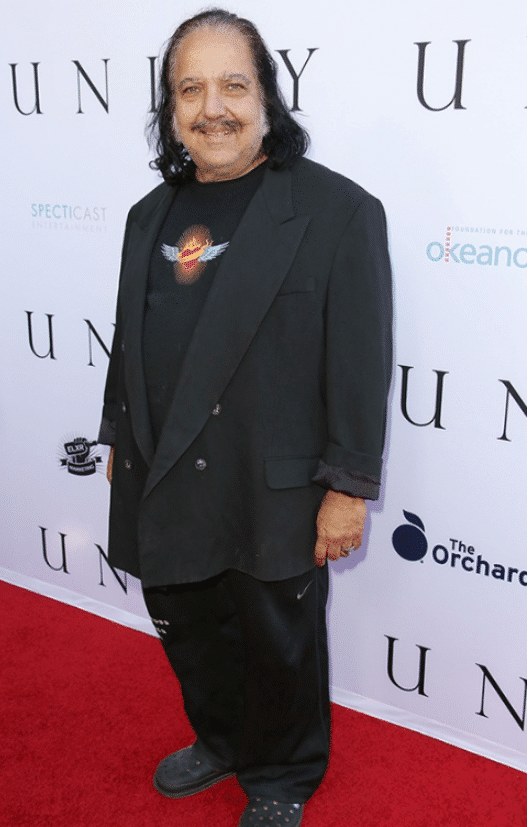
The images accompanying a celebrity article may attract attention, but they cannot establish the outcome of court proceedings. Nor can they reliably explain a person’s health, private conduct, or state of mind.
Their role is limited: they illustrate the person being discussed.
A careful reader looks beyond the picture to the dates, sources, and wording of the account. Does the article identify an allegation as an allegation? Does it distinguish a reported development from a confirmed outcome?
Those questions help turn a passing encounter with a headline into a more informed reading of the story
Reading the Past With Care
Stories about recognizable personalities often begin with nostalgia. Yet nostalgia alone cannot provide a responsible account of serious allegations.
The historical reporting on Ron Jeremy’s case calls for measured attention to what was alleged, what he denied, and what the court decided about his ability to participate in a trial.
For readers revisiting a name from an earlier era, the most useful approach is patient and factual. Remember the public image, examine the documented information, and resist filling the gaps with assumptions.
A clear account may offer fewer dramatic conclusions, but it gives readers something more valuable: a fair understanding of what the available record does—and does not—tell them.
Leave a Reply