
For generations of music lovers, Tony Bennett seemed perfectly at home beneath a spotlight. In an elegant suit, standing before an orchestra, he could make a familiar standard feel newly personal with a few carefully shaped notes.
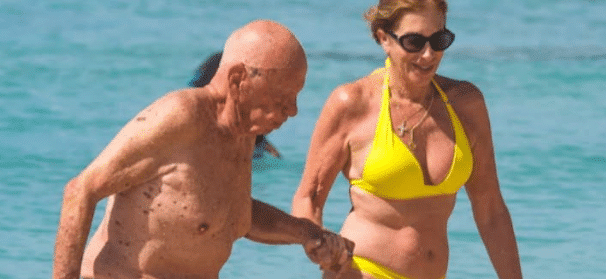
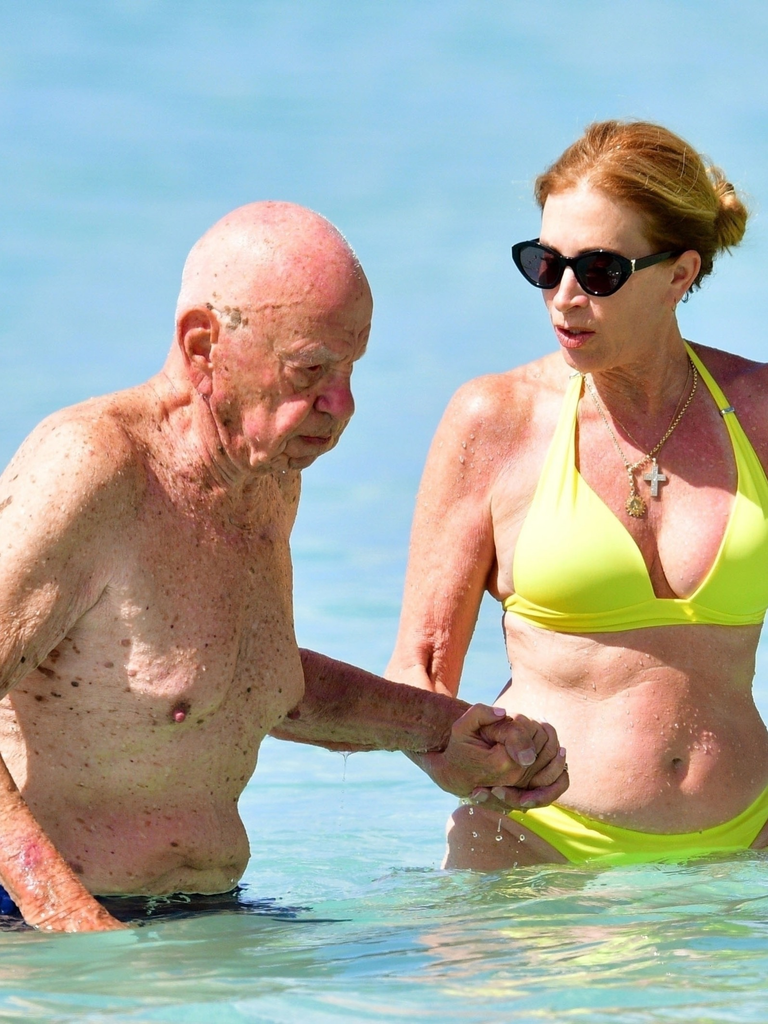
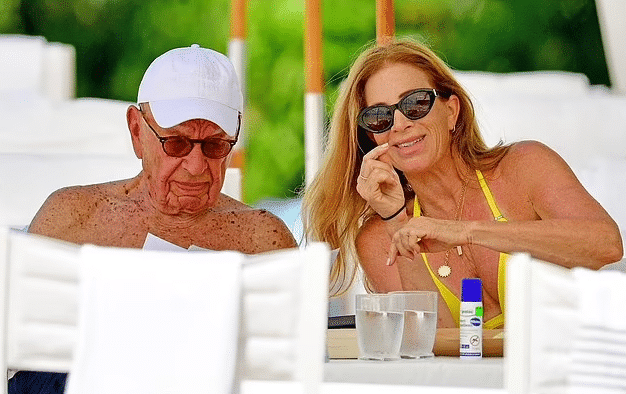
Yet an old set of Hawaiian vacation photographs reveals another side of the legendary performer. Away from the stage, Bennett sat near the water with his wife, Susan Crow, a sketchpad, and a pencil.
The images came from a 2011 stay in Hawaii, when Bennett was approaching his 85th birthday and preparing for another remarkable musical chapter. They show no microphone, no orchestra, and no applause—only a celebrated artist taking time to observe the sea.
For Tony Bennett, that quiet moment made perfect sense. Singing was one of his great artistic loves. Painting was another.
The Voice That Became Part of American Music
Tony Bennett was born Anthony Dominick Benedetto in Queens, New York, in 1926. He grew up in a family that valued music and creativity, and he began pursuing both singing and painting while he was young.
After serving in the U.S. Army during World War II, he returned home determined to make a career in entertainment. His warm voice, clear phrasing, and ability to interpret a lyric soon helped him stand out.
Bennett found early success in the 1950s with songs such as “Because of You,” “Rags to Riches,” and “Stranger in Paradise.” He became part of an era that celebrated polished vocalists, memorable melodies, and songs that could tell an emotional story in just a few minutes.
But his greatest signature song was still to come.
The Song That Forever Linked Him to San Francisco
In 1962, Tony Bennett recorded “I Left My Heart in San Francisco.” The song had first been introduced into his live act the year before, and it became the recording most closely associated with his name.
The ballad earned Bennett Grammy Awards and became a lasting musical tribute to the city. For listeners, it could bring to mind fog rolling through the hills, cable cars climbing steep streets, and the feeling of leaving behind a place that still feels like home.
At a time when popular music was changing rapidly, Bennett stayed committed to the Great American Songbook. He believed in melody, emotion, and the importance of truly listening to the words of a song.
That commitment paid off. While trends came and went, Bennett’s work remained meaningful to new generations of listeners.
Anthony Benedetto the Painter
The sketchpad in the Hawaiian photographs was not simply a holiday pastime.
Before the world knew him as Tony Bennett, he was Anthony Benedetto, a young artist with a lasting love of painting. He studied at New York’s School of Industrial Arts and continued creating visual art throughout his life.

Bennett signed his paintings with his birth name, Anthony Benedetto. He often painted landscapes, city scenes, and portraits of musicians he admired. His artwork reflected the same close attention he brought to music: a focus on mood, detail, atmosphere, and feeling.
Some of his paintings became part of major collections, including works held by Smithsonian institutions. His subjects included figures such as Ella Fitzgerald and Duke Ellington, artists whose influence he deeply respected.
Painting gave Bennett a different kind of creative space. A song moves forward in time, carried by a melody and ending with its final note. A painting asks the artist to slow down, study what is in front of him, and return to the same image again and again.
For Bennett, the two art forms were not separate worlds. They were two ways of paying attention.
A Hawaiian Pause Before a Major New Chapter
The Hawaii photographs were taken during a busy period of Bennett’s career. In 2011, he was preparing to release Duets II, an album that paired him with performers across generations.
The project included collaborations with Aretha Franklin, Willie Nelson, Carrie Underwood, Michael Bublé, Lady Gaga, and Amy Winehouse. Rather than treating younger artists as outsiders, Bennett welcomed their individual styles and allowed each song to become a genuine conversation.
Duets II debuted at No. 1 on the Billboard album chart. The achievement was especially striking because Bennett was 85 at the time.
The success showed that his music had not become a museum piece. His standards were still alive, still adaptable, and still capable of reaching listeners who had grown up in a very different musical world.
Why Younger Audiences Found Their Way to Tony Bennett
Many performers become closely associated with a single decade. Tony Bennett refused to let that happen.
In the 1990s, his appearance on MTV Unplugged introduced him to a younger audience. Later, his collaborations with artists such as Lady Gaga brought his music to people who may not have previously explored classic standards.
Bennett did not try to imitate modern pop. Instead, he trusted the songs and the craft behind them. He knew that a beautiful melody, a thoughtful lyric, and an honest performance could connect with people regardless of age.
That confidence made him an ideal collaborator. He could work beside artists from very different musical backgrounds without losing the qualities that made him unmistakably Tony Bennett.
His later recordings with Lady Gaga became especially memorable because they were built on mutual respect, playfulness, and a shared love of the songs.
A Marriage Built Around the Arts
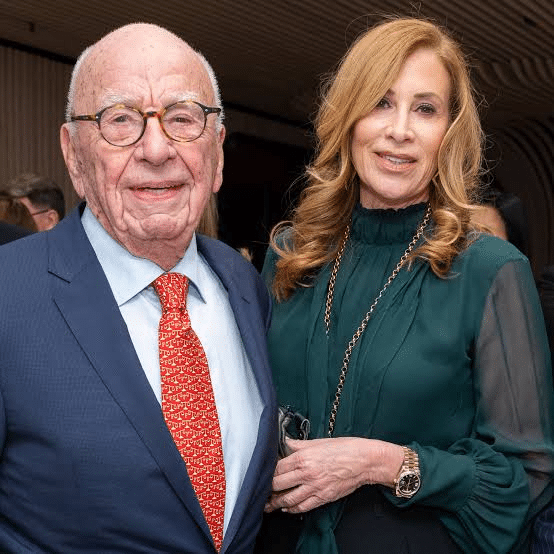
The Hawaiian images also capture a warm moment between Bennett and Susan Crow, who became his wife in 2007.
Their partnership included more than public appearances and travel. Together, they established Exploring the Arts, an organization dedicated to supporting arts education in public high schools.
The work reflected Bennett’s lifelong belief that young people deserve access to music, painting, dance, theater, and creative expression.
For Bennett, the arts had provided direction and purpose. He understood that creative opportunities can help young people discover confidence, discipline, and a sense of belonging.
Supporting arts education became one of the most meaningful parts of the couple’s shared legacy.
A Legacy Bigger Than One Famous Song
Tony Bennett died in 2023 at the age of 96, leaving behind a body of work that spanned more than seven decades.
His honors included numerous Grammy Awards, a Recording Academy Lifetime Achievement Award, recognition as an NEA Jazz Master, and the Library of Congress Gershwin Prize for Popular Song.
But awards tell only part of the story.
Bennett endured because he made listeners feel that every song mattered. He sang standards with care, never treating them as old-fashioned relics. He also stayed curious—about new artists, new audiences, and the creative possibilities of a life well lived.
The Quiet Artist Behind the Famous Voice
The old Hawaiian photographs carry a special meaning now. They show a man known around the world for singing, yet perfectly content to sit by the ocean and draw.
That image captures something essential about Tony Bennett. He was never only a man with a microphone. He was a painter, a student of beauty, an advocate for young artists, and a performer who continued creating almost until the end of his life.
For fans who still hear “I Left My Heart in San Francisco” and immediately recognize that unmistakable voice, the sketchpad offers another lasting memory: Tony Bennett quietly looking at the world, ready to turn what he saw into art.
Leave a Reply