

Some movie stars become inseparable from the feeling of discovering a new world.
For audiences who grew up watching fantasy adventures and James Bond films, Caroline Munro is one of those familiar faces. Her performances recall mysterious islands, extraordinary creatures, elaborate sets, and the excitement of settling into a theater seat as the lights began to dim.
Many viewers remember her as Margiana in The Golden Voyage of Sinbad. Others recognize her as Princess Dia in At the Earth’s Core or Naomi in the Roger Moore adventure The Spy Who Loved Me. Together, those roles made her a familiar presence in a distinctive chapter of popular filmmaking.
Looking back at her career offers a chance to revisit those films—and the memories that have grown around them.
A Creative Beginning Before the Movie Roles
Munro’s path into entertainment began with modeling, although her early interests were broader than appearing in front of a camera.
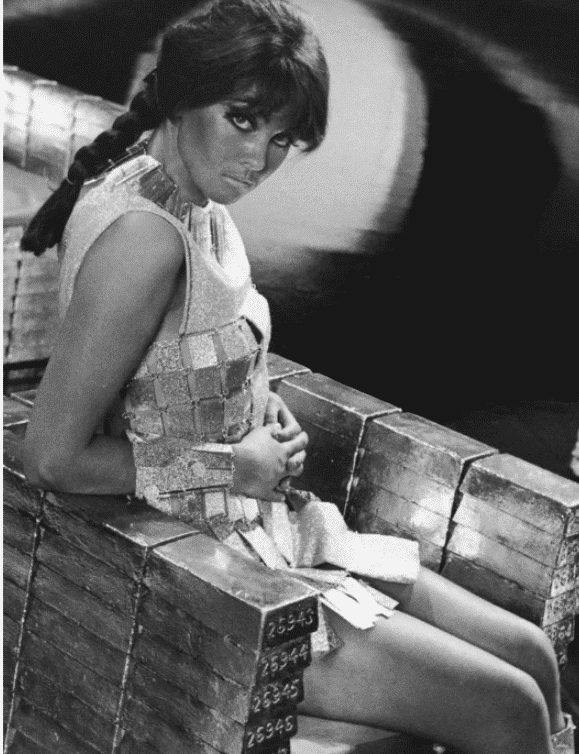
In an interview with the James Bond publication MI6, she explained that art had originally been her ambition. The conversation also traced her move from modeling into acting and the opportunities that eventually brought her into the Bond series.
That detail adds another dimension to a performer often remembered through striking movie images.
A finished film can make a career seem inevitable. We see someone perfectly suited to a particular world and assume that was always the destination.
The reality is usually more interesting. Creative careers develop through changing interests, introductions, auditions, and opportunities whose importance becomes clear only afterward.
Munro’s journey provides a reminder that the roles audiences cherish may grow from beginnings quite different from the ones they imagine.
Setting Sail in “The Golden Voyage of Sinbad”
Released in 1973, The Golden Voyage of Sinbad placed Munro alongside John Phillip Law in an adventure filled with mysterious lands and remarkable creatures. She played Margiana, who accompanies Sinbad on his voyage
For many longtime fans, the film recalls the special pleasure of discovering fantasy cinema before digital effects became commonplace.
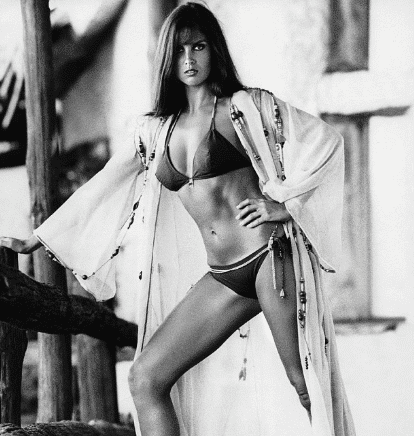
These adventures invited audiences to accept a world in which a ship’s figurehead could move and legendary creatures could step into the path of a determined traveler.
The actors helped make those imagined worlds convincing. Their expressions, reactions, and relationships gave viewers a human connection amid the spectacle.
Watching such a film again can bring back the wonder of a childhood matinee. The effects may now reveal their craftsmanship more clearly, but that can become part of the enjoyment: seeing the invention and patience behind an unforgettable image.
A Lasting Connection to Ray Harryhausen’s Movie Magic
Munro’s association with The Golden Voyage of Sinbad continued beyond its original release.
The Ray and Diana Harryhausen Foundation notes that Harryhausen admired her work and recorded a commentary for the film with her in September 2012
That later collaboration offers a pleasing connection between the experience of making a film and the work of preserving its history.
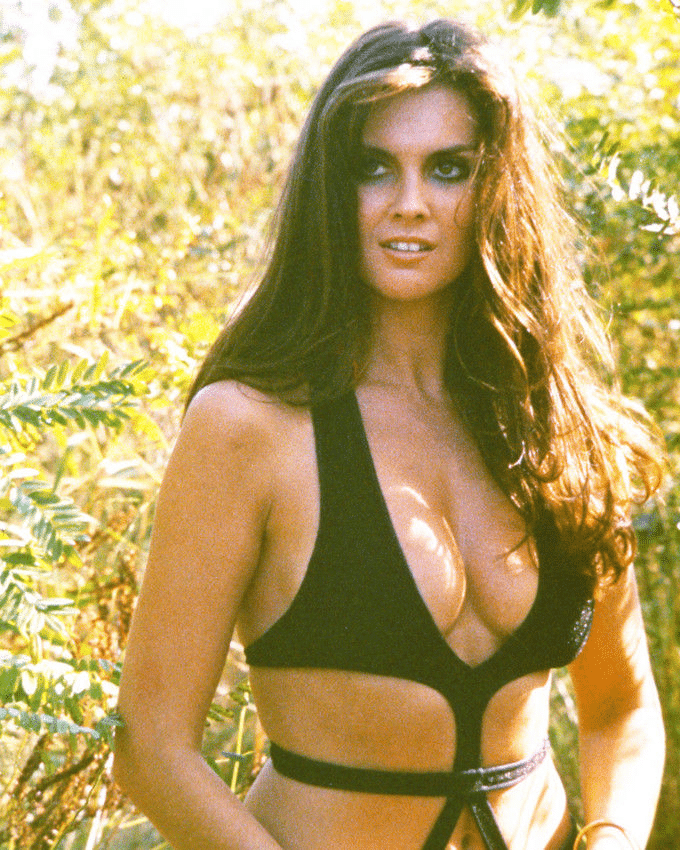
Commentaries and interviews allow audiences to hear about decisions that are invisible in the finished picture. A scene remembered for its excitement may also hold memories of preparation, concentration, or an unexpected challenge on set.
For viewers returning to an old favorite, those details can renew their appreciation. The film remains familiar, while the story of how it came together offers something new.
Another Adventure in “At the Earth’s Core”
Munro also played Princess Dia in At the Earth’s Core, adding another imaginative adventure to her film career
Films of this kind offered a clear invitation: leave everyday routines behind for a little while and follow the story somewhere extraordinary.
That invitation remains appealing.
For older American viewers, an adventure film may be connected to a weekend television broadcast, a neighborhood movie house, or an afternoon spent watching with siblings. Sometimes the setting in which we first encountered a film becomes as memorable as the plot.
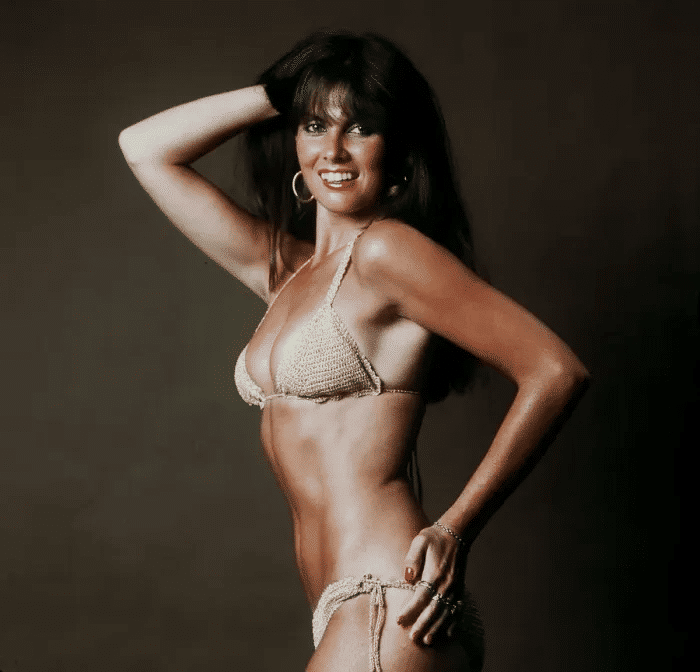
Returning to those movies can also become a shared experience with younger relatives. What once seemed simply entertaining becomes an opportunity to talk about the theaters, television schedules, and filmmaking styles of another time.
Joining Roger Moore’s James Bond World
In 1977, Munro appeared as Naomi in The Spy Who Loved Me, one of the Bond adventures starring Roger Moore.
For many moviegoers, a Bond release was an occasion. Audiences arrived expecting a memorable opening, inventive gadgets, impressive locations, and a cast capable of making the adventure feel larger than everyday life.
Munro’s role placed her within that enduring screen tradition.
Supporting appearances can have a long life in a series as frequently revisited as Bond. A viewer may remember a character’s entrance or a particular sequence years after forgetting other details.
Later viewings allow those moments to become familiar pleasures. Anticipation replaces surprise, and knowing what comes next becomes part of the fun.
The Everyday Person Behind the Screen Image

One of the most endearing details in Munro’s MI6 interview concerned an ordinary shopping trip after the Leicester premiere of The Spy Who Loved Me. She recalled taking advantage of a supermarket offer on household supplies—a wonderfully practical moment following a glamorous occasion.
It is a small anecdote, but it helps bring a public figure into focus.
Premieres and publicity photographs present a carefully prepared occasion. Everyday life continues around them, complete with errands, bargains, and familiar responsibilities.
That balance can be especially appealing to longtime fans. The performer belongs to a cherished movie memory while also having recognizable, ordinary experiences beyond it.
Why Her Films Still Invite a Second Look
Munro’s career connects several kinds of audience affection: admiration for classic fantasy, enthusiasm for Bond, and appreciation for the performers who made imaginative stories feel believable.
The films also offer a record of changing tastes and techniques. Costumes, sets, music, and special effects all help preserve the character of their era.
Watching again, we may notice something we overlooked years earlier: a reaction that grounds an extraordinary scene, a carefully arranged shot, or the confidence with which a performer enters an unfamiliar world.
For those who remember Caroline Munro from their first encounter with these adventures, that rediscovery is part of the pleasure.
Her familiar face can bring back an old favorite—and the simple excitement of wondering where the next scene might take us.
Leave a Reply